Eric.R
Pond Building Expert
Published on July 20, 2024
Category: Uncategorized
Understanding Koi Basics
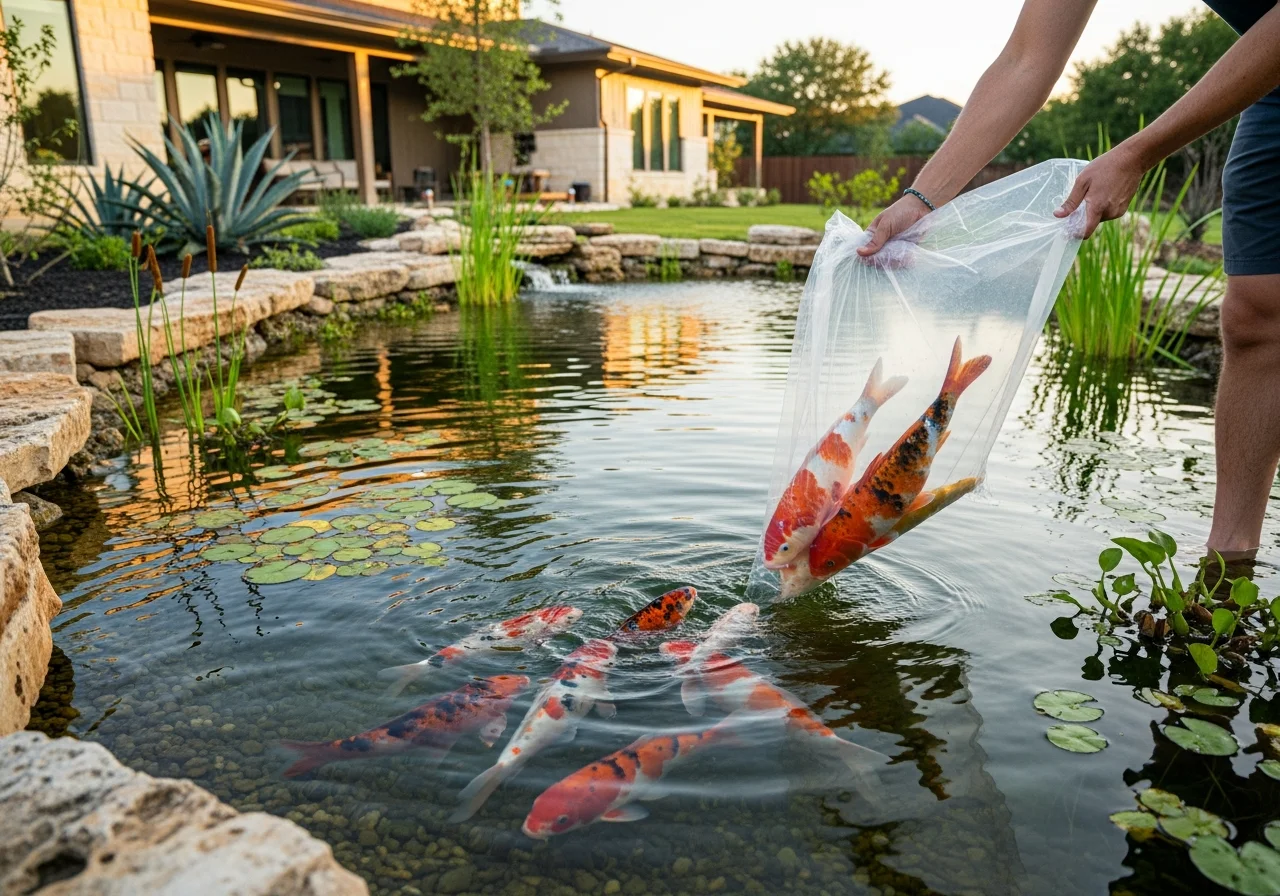
Koi (Cyprinus rubrofuscus) are ornamental carp prized for their vivid colors, graceful movements, and long lifespans—often 25–35 years with proper care. They can grow up to 3 feet long, so they require a spacious pond with excellent water quality.
Ideal Pond Environment
Pond Size:
- Minimum: 1,000 gallons for a small groupIdeal Pond Environment
Pond Size: - Minimum: 1,000 gallons for a small group
-
Depth: At least 3–4 feet (protection from predators and temperature swings)
-
Provide both open swimming areas and sheltered zones
Filtration:
-
Mechanical filtration removes debrisFiltration: - Mechanical filtration removes debris
-
Biological filtration processes ammonia into less harmful compounds
-
UV clarifiers help control algae blooms
Water Parameters for Healthy Koi:
-
Ammonia: 0 ppmWater Parameters for Healthy Koi: - Ammonia: 0 ppm
-
Nitrite: 0 ppm
-
Nitrate: < 40 ppm
-
pH: 7.0–8.5 (stable, minimal daily swings)
-
Temperature: 59–77°F (15–25°C) preferred
-
Dissolved Oxygen: 6+ mg/L
Feeding Guidelines
Seasonal Feeding:
- Spring (59–68°F / 15–20°C): Start with wheat germ–based food for easy digestionFeeding Guidelines
Seasonal Feeding: - Spring (59–68°F / 15–20°C): Start with wheat germ–based food for easy digestion
-
Summer (68–77°F / 20–25°C): Feed high-protein growth pellets twice daily
-
Fall (59–68°F / 15–20°C): Switch back to wheat germ food, reduce frequency
-
Winter (< 50°F / 10°C): Stop or drastically reduce feeding—koi metabolism slows
General Tips:
-
Feed only what koi consume in 5 minutesGeneral Tips: - Feed only what koi consume in 5 minutes
-
Overfeeding leads to poor water quality
-
Offer occasional treats (shrimp, watermelon, peas)
Stress Reduction and Health
Preventing Stress:
- Avoid sudden water temperature or chemistry changesStress Reduction and Health
Preventing Stress: - Avoid sudden water temperature or chemistry changes
-
Keep stocking density low (ideally < 1" fish length per 10 gallons)
-
Provide hiding spots (plants, caves)
-
Use aeration to maintain oxygen levels during summer heat
Quarantine New Fish:
-
2–4 week quarantine in a separate tank or pondQuarantine New Fish: - 2–4 week quarantine in a separate tank or pond
-
Observe for parasites, fungus, or abnormal behavior
Common Koi Health Issues:
-
Ich (white spot disease): Treat promptly with temperature adjustments and medicationCommon Koi Health Issues: - Ich (white spot disease): Treat promptly with temperature adjustments and medication
-
Ulcers: Usually bacterial, linked to poor water quality or injury
-
Parasites: Scraping and microscopy needed for diagnosis
Seasonal Koi Care in Texas
Spring (March–May):
-
Resume feeding when water stays above 50°F
-
Test water weekly
-
Remove debris from winter
-
Watch for spawning behavior
Summer (June–August):
-
Provide shade to prevent overheating
-
Ensure strong aeration
-
Check for algae blooms
-
Feed more often, but in small amounts
Fall (September–November):
-
Reduce feeding as water cools
-
Remove excess organic debris
-
Prepare for overwintering
Winter (December–February):
-
Stop feeding below 50°F
-
Keep pond surface from fully freezing
-
Minimize disturbances to dormant koi
Pond Design Tips for Koi
-
Use sloped sides to discourage predators
-
Incorporate deep areas for summer cooling and winter warmth
-
Include waterfalls or air pumps for oxygenation
-
Avoid sharp edges or rough surfaces that can injure fish
Quick Problem-Solving Guide
-
Cloudy Water: Check filtration, reduce feeding, partial water change
-
Koi Gasping at Surface: Increase aeration, check ammonia levels
-
Loss of Color: Improve diet with spirulina and fresh greens, ensure good water quality
Where to Get Koi in Texas
-
Specialty Koi Dealers: Offer healthy, quarantined stock and expert advice
-
Pond & Water Garden Centers: Often carry hardy varieties suited to local climate
-
Koi Shows & Clubs: Great for rare color patterns and networking with experienced keepers
With proper water quality management, a balanced diet, and careful seasonal adjustments, your koi will reward you with vibrant colors, active swimming, and decades of beauty in your pond.
More Articles
Professional Koi Pond Repair Services in Austin, TX
Get expert pond repair for koi ponds in Austin. ATX Pond Builders restores water quality, fixes leaks, repairs equipment, and resolves structural issues for hea
Safe Pond Cleaning Practices for Koi in Austin, TX
Discover essential pond cleaning practices to keep your Koi safe and healthy in Austin, TX. Ensure a thriving aquatic environment with our expert tips!
Pond Leak Repair Costs in Austin, TX: What to Expect
Discover the average pond leak repair costs in Austin, TX. Get insights on what to expect and budget for your pond maintenance needs today!

