Eric.R
Pond Building Expert
Published on June 15, 2024
Category: Uncategorized
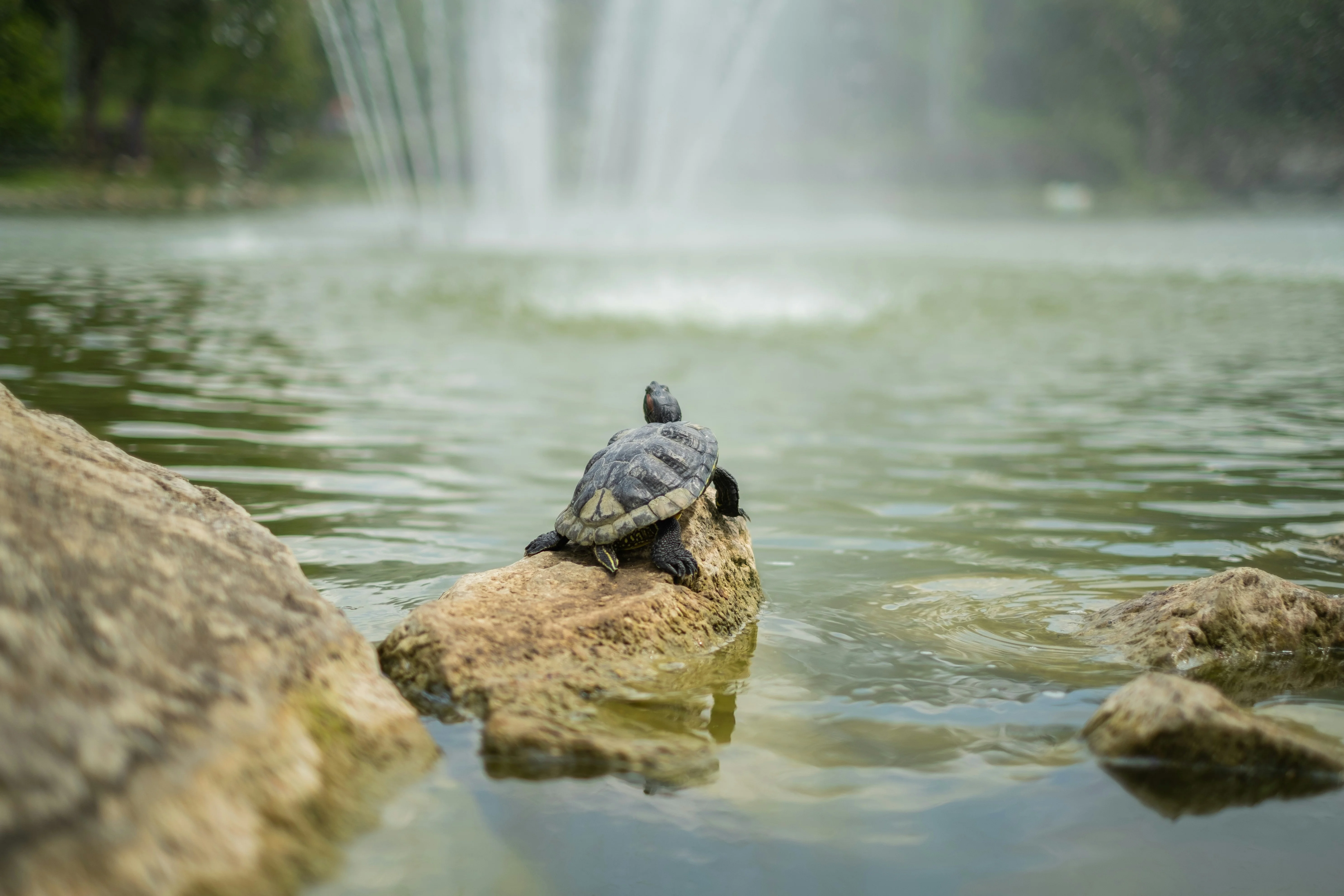
Building a koi pond in Austin requires balancing beauty, ecology, and practicality while considering our unique Central Texas climate. Here's your comprehensive guide to creating the perfect koi habitat.
Location and Site Selection
Choosing the right location is crucial for your koi pond's success. In Austin's intense summer heat, partial shade is essential—aim for 4-6 hours of morning sun with afternoon shade. This reduces algae growth and prevents dangerous temperature spikes that can stress or kill koi. Avoid low-lying areas where runoff collects, as this introduces pollutants and excess nutrients.
Consider proximity to utilities for electrical connections and water access. You'll need GFCI-protected electrical service for pumps, filters, and lighting. Plan for easy access to your home's water supply for filling and topping off during Austin's dry periods.
Size and Depth Requirements
Koi need space to thrive. Minimum pond size should be 1,000 gallons, but 2,000+ gallons is ideal for a small koi collection. Depth is critical—at least 3 feet deep, with areas reaching 4-5 feet for temperature stability and predator protection.
In Austin's climate, deeper water provides crucial temperature buffering. Surface water can reach 90°F+ in summer, but water at 4 feet stays much cooler. This thermal layering gives koi refuge during heat waves.
Filtration System Design
A robust filtration system is non-negotiable for koi ponds. You need both mechanical and biological filtration:
Mechanical Filtration:
-
Skimmer to remove surface debrisMechanical Filtration: - Skimmer to remove surface debris
-
Settlement chamber for heavy particles
-
Pre-filter sponges or brushes
Biological Filtration:
-
Biofilter with high surface area mediaBiological Filtration: - Biofilter with high surface area media
-
Beneficial bacteria colonies to process ammonia and nitrites
-
UV sterilizer to control algae and pathogens
Size your pump to turn over the entire pond volume every 2 hours. In Austin's heat, good circulation prevents stagnation and maintains oxygen levels.
Water Quality Management
Austin's municipal water is heavily chlorinated and contains chloramines. Always use a quality dechlorinator when adding water. Test regularly for:
-
Ammonia (should be 0 ppm)
-
Nitrite (should be 0 ppm)
-
Nitrate (keep below 40 ppm)
-
pH (7.0-8.5 is ideal)
-
Dissolved oxygen (especially important in summer)
Plant Selection for Central Texas
Choose plants that handle Austin's climate extremes:
Floating Plants:Choose plants that handle Austin's climate extremes: Floating Plants:
-
Water hyacinth (provides excellent shade)
-
Water lettuce (fast-growing nutrient absorber)
-
Water lilies (beautiful and functional)
Marginal Plants:
-
Louisiana iris (native and colorful)Marginal Plants: - Louisiana iris (native and colorful)
-
Cattails (excellent filters)
-
Pickerel rush (attracts beneficial insects)
Submerged Plants:
-
Hornwort (oxygenates water)Submerged Plants: - Hornwort (oxygenates water)
-
Vallisneria (grass-like appearance)
-
Cabomba (feathery texture)
Seasonal Considerations
Spring: Start feeding when water temperature consistently reaches 55°F. Clean filters and check equipment after winter.
Seasonal Considerations
Spring: Start feeding when water temperature consistently reaches 55°F. Clean filters and check equipment after winter.
Summer: Monitor water temperature and oxygen levels. Provide extra aeration during heat waves. Feed high-quality pellets but avoid overfeeding in extreme heat.
Summer: Monitor water temperature and oxygen levels. Provide extra aeration during heat waves. Feed high-quality pellets but avoid overfeeding in extreme heat.
Fall: Reduce feeding as temperatures drop. Install netting to keep leaves out. Trim dying plant material.
Winter: Austin's mild winters rarely require pond heaters, but have a de-icer ready for occasional freezes. Stop feeding when water temperature drops below 50°F.
Winter: Austin's mild winters rarely require pond heaters, but have a de-icer ready for occasional freezes. Stop feeding when water temperature drops below 50°F.
Maintenance Access Planning
Design for easy maintenance from day one:
-
Accessible skimmer basketsDesign for easy maintenance from day one: - Accessible skimmer baskets
-
Easy-to-reach filter media
-
Pump access without draining
-
Electrical panels in weatherproof enclosures
-
Storage for equipment and supplies
Budget Considerations
A quality koi pond in Austin typically costs:
-
Small pond (1,000-2,000 gallons): $15,000-$25,000A quality koi pond in Austin typically costs: - Small pond (1,000-2,000 gallons): $15,000-$25,000
-
Medium pond (2,000-5,000 gallons): $25,000-$45,000
-
Large pond (5,000+ gallons): $45,000-$75,000+
Invest in quality equipment upfront—cheap pumps and filters cost more in the long run through higher energy bills and frequent replacements.
Common Austin-Specific Challenges
Heat Management: Use shade structures, deeper zones, and increased aeration during summer.
Heat Management: Use shade structures, deeper zones, and increased aeration during summer.
Hard Water: Austin's limestone-filtered water is naturally hard. This actually benefits koi health but may require pH monitoring.
Hard Water: Austin's limestone-filtered water is naturally hard. This actually benefits koi health but may require pH monitoring.
Seasonal Algae: Spring and fall temperature swings can trigger algae blooms. Maintain good filtration and consider beneficial bacteria supplements.
Seasonal Algae: Spring and fall temperature swings can trigger algae blooms. Maintain good filtration and consider beneficial bacteria supplements.
Predators: Great blue herons, raccoons, and cats are common. Design hiding places and consider netting or motion-activated deterrents.
Predators: Great blue herons, raccoons, and cats are common. Design hiding places and consider netting or motion-activated deterrents.
Professional Installation Benefits
While DIY is possible, professional installation ensures:
-
Proper excavation and gradingWhile DIY is possible, professional installation ensures: - Proper excavation and grading
-
Quality liner installation
-
Electrical work to code
-
Optimal equipment sizing
-
Warranty protection
A well-designed koi pond becomes the centerpiece of your Austin landscape, providing years of enjoyment while increasing property value. Take time to plan carefully, invest in quality components, and your koi will thrive in their Texas home.
More Articles
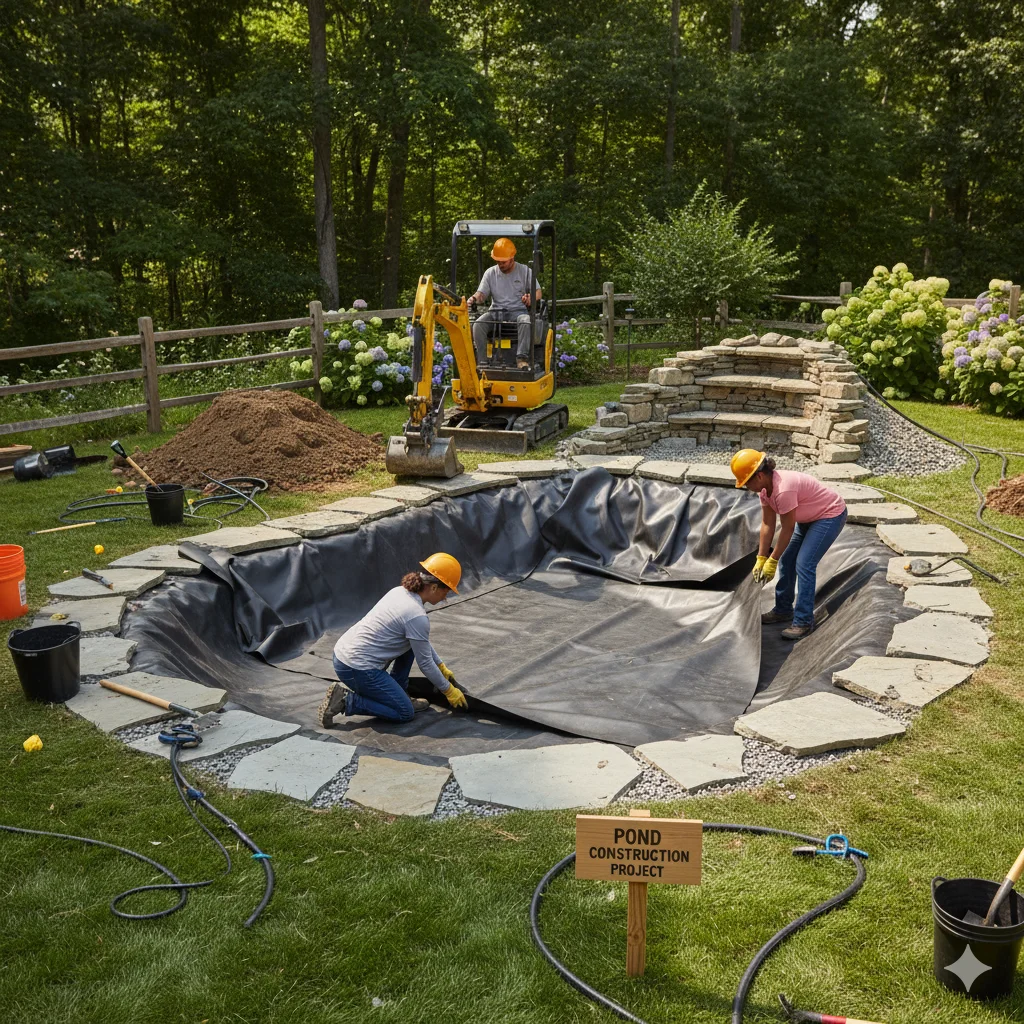
Professional Koi Pond Repair Services in Austin, TX
Get expert pond repair for koi ponds in Austin. ATX Pond Builders restores water quality, fixes leaks, repairs equipment, and resolves structural issues for hea
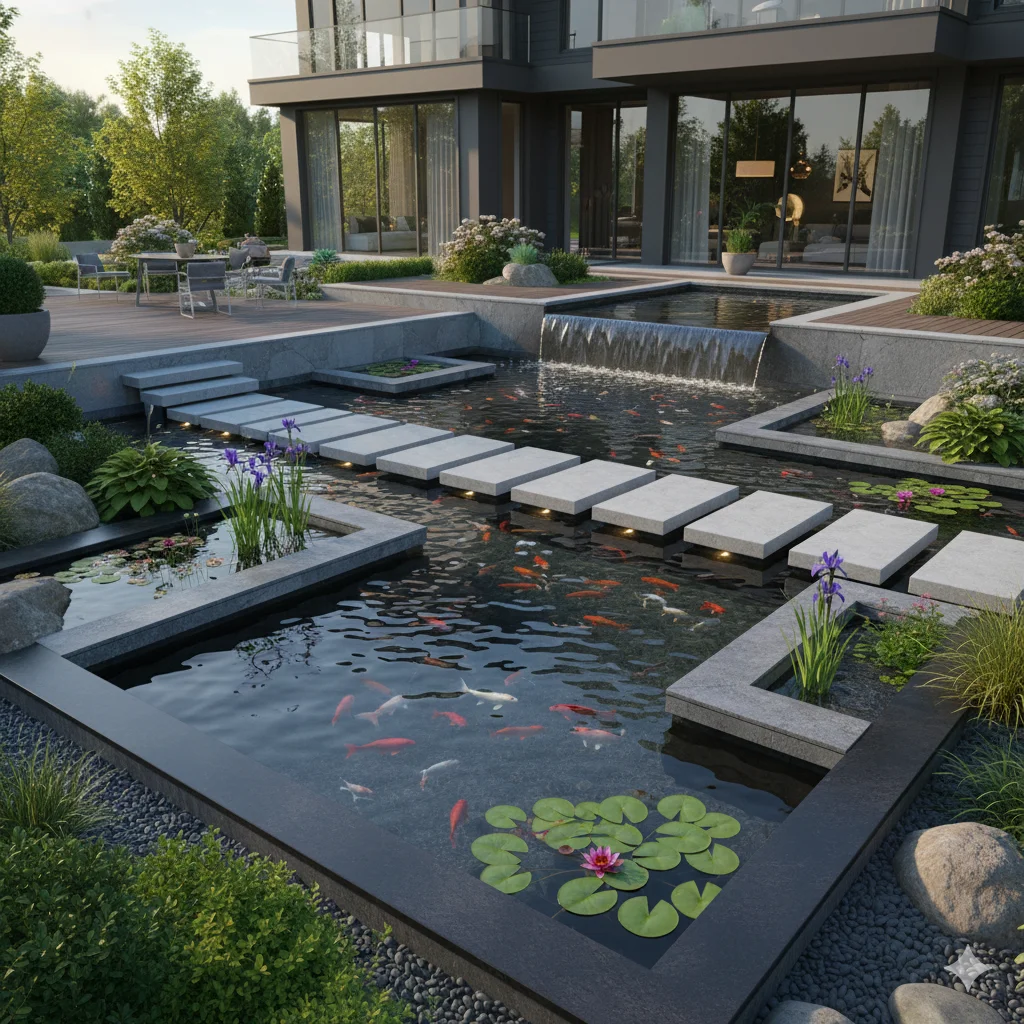
Safe Pond Cleaning Practices for Koi in Austin, TX
Discover essential pond cleaning practices to keep your Koi safe and healthy in Austin, TX. Ensure a thriving aquatic environment with our expert tips!
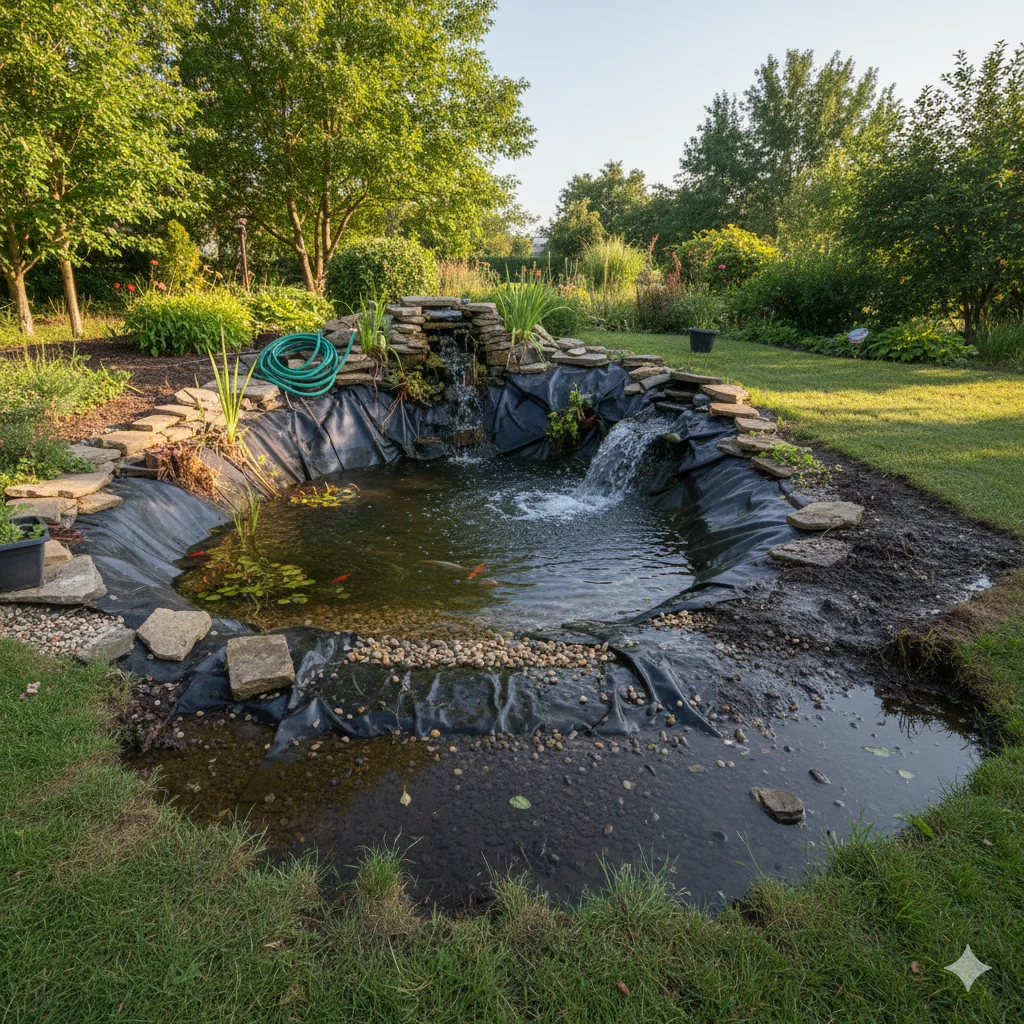
Pond Leak Repair Costs in Austin, TX: What to Expect
Discover the average pond leak repair costs in Austin, TX. Get insights on what to expect and budget for your pond maintenance needs today!

